Chhath Puja 2025: Significance and Rituals of Nahay Khay

Chhath Puja is one of the most sacred Hindu festivals, celebrated with immense devotion to Lord Surya (the Sun God) and Chhathi Maiya, who is believed to protect children and bring happiness, peace, and prosperity. This four-day festival holds deep spiritual importance and is especially popular in Bihar, Jharkhand, Uttar Pradesh, and parts of Nepal.
Chhath Puja is not just a ritual—it’s a way of life for millions. It reflects purity, simplicity, and faith in nature’s power. The festival connects human life with the cosmic energy of the Sun, reminding us to be thankful for all that we receive from nature.
Chhath Puja 2025 Dates :
In 2025, Chhath Puja will be celebrated from Saturday, October 25 to Tuesday, October 28.
Here are the important details and timings:
- Main Date: Monday, October 27, 2025
- Sunrise: 06:30 AM
- Sunset: 05:40 PM
- Shashthi Tithi Start: 06:04 AM, October 27
- Shashthi Tithi End: 07:59 AM, October 28
Each ritual is performed according to sunrise and sunset timings, making it a festival that beautifully aligns human prayers with nature’s rhythm.
The Meaning of Chhath Puja :
The word “Chhath” means “six,” as the main worship happens on the sixth day of the lunar month of Kartik, shortly after Diwali. The festival is dedicated to worshipping Lord Surya and Chhathi Maiya for health, wealth, and prosperity.
This festival promotes purity, discipline, and gratitude. It teaches people to maintain a clean environment, eat pure food, and lead a simple life filled with devotion and balance.
Day 1 – Nahay Khay: The Beginning of Purity :
The first day of Chhath Puja is known as Nahay-Khay, which literally means “Bath and Eat.” It marks the beginning of this sacred journey of faith. On this day, devotees wake up early before sunrise and take a holy bath in rivers, ponds, or other water bodies. Those who cannot visit the river can use Ganga Jal (holy water) at home.
After bathing, devotees clean their homes and prepare a simple satvik meal — food that is pure and vegetarian. The most common meal includes pumpkin, chana dal (lentils), and rice, cooked in pure ghee.
No onion, garlic, or processed food is allowed. This meal is taken only once on this day, and after that, devotees begin their fasting journey. The purpose of this ritual is to purify the body and soul and prepare oneself for the upcoming days of strict fasting.
Nahay Khay is not just about food or bathing — it symbolizes a new beginning, where devotees cleanse themselves spiritually and mentally to invite divine blessings.
Day 2 – Kharna: The Sacred Fast :
The second day of Chhath Puja is known as Kharna or Lohanda. It is a day of extreme devotion and discipline. On this day, devotees observe a Nirjala Vrat, which means they do not eat or drink anything throughout the day.
After sunset, they prepare kheer (rice pudding), roti, and fruits as offerings to Lord Surya and Chhathi Maiya. Once the prayers are completed, devotees break their fast by eating the sacred food, which is called prasad.
However, after eating, they again start a 36-hour long fast, during which they do not consume even a single drop of water. This tough fast represents complete surrender and dedication to divine energy.
Kharna is believed to cleanse sins and strengthen willpower. It teaches patience, devotion, and gratitude.
Day 3 – Sandhya Arghya: Offering to the Setting Sun :
The third day of Chhath Puja is known as Sandhya Arghya, and it is the most beautiful and emotional part of the festival.
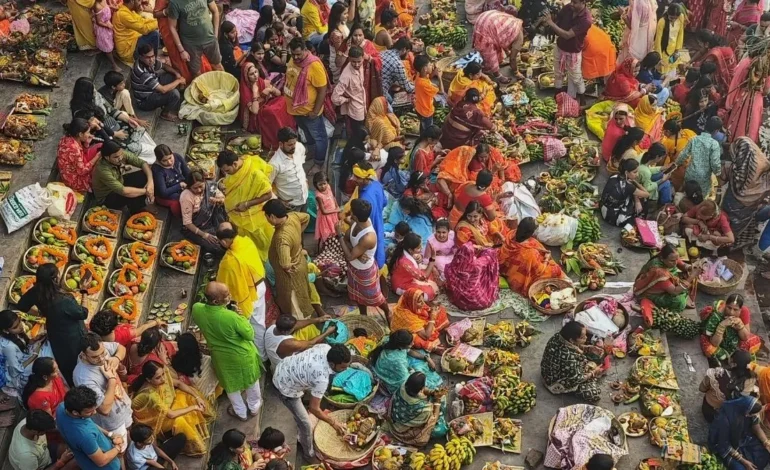
In the evening, devotees, along with their families, gather at riverbanks, lakes, or ponds. They carry bamboo baskets filled with fruits, coconuts, sugarcane, thekua (sweet dish made with wheat and jaggery), and diyas (oil lamps).
As the sun begins to set, devotees offer arghya (water) to the setting Sun, thanking him for sustaining life on Earth. The entire scene is magical — thousands of diyas light up the water, women sing devotional songs, and families pray together.
This ritual represents gratitude, balance, and hope. Devotees pray for the health and happiness of their loved ones and ask for forgiveness for their mistakes.
The atmosphere during Sandhya Arghya is filled with spirituality, peace, and devotion. It is one of the most mesmerizing sights one can witness in India.
Day 4 – Usha Arghya and Parana: Worshipping the Rising Sun :
The final day of Chhath Puja is called Usha Arghya, which means “offering to the rising Sun.” Devotees reach the ghats early before sunrise with their families, carrying beautifully decorated baskets filled with offerings.
As the first rays of the sun appear, they offer water and prayers to Lord Surya, thanking him for his light and energy. The rising sun is seen as a symbol of new beginnings, hope, and strength.
After the prayers, devotees break their 36-hour-long fast by consuming prasad (holy food). This process is known as Parana.
This day symbolizes the completion of the journey — from darkness to light, from impurity to purity. The entire community joins together to celebrate, exchange prasad, and express gratitude for the blessings received.
Spiritual Importance of Chhath Puja :
Chhath Puja holds deep spiritual meaning. It is believed that the Sun God fulfills the wishes of those who worship with a pure heart. The rituals promote cleanliness, discipline, and harmony with nature.
Fasting during Chhath Puja is not just physical; it is also mental and emotional. It teaches self-control and patience. Devotees believe that these rituals remove negativity from life and bring prosperity, happiness, and good health.
According to legends, Karna, the son of Lord Surya from the Mahabharata, was the first person to perform Chhath Puja. Since then, it has become a tradition carried forward for generations.
The festival also highlights the power of women and their devotion, as they play a leading role in maintaining the rituals with dedication and faith.
Environmental and Cultural Significance :
Chhath Puja is one of the most eco-friendly festivals in India. Every item used — from bamboo baskets to fruits and diyas — is biodegradable and natural. Devotees clean rivers and ghats before performing rituals, promoting environmental awareness and water purity.
This festival reminds us of our duty to protect nature and live in harmony with it. It also brings communities together — people, regardless of caste, age, or social status, participate equally in the rituals.
The songs, the lamps, and the unity reflect the beauty of India’s spiritual and cultural heritage.
Disclaimer
The information in this article is for general and cultural reference only. Rituals and timings may vary by region. Please check your local Panchang or temple for accurate details.
Why Nahay Khay is Special :
Among all the days, Nahay Khay holds a special place because it is the foundation of Chhath Puja. This day sets the spiritual tone for the days ahead.
It emphasizes cleanliness, simplicity, and self-discipline. The act of bathing and eating pure food signifies removing negativity and filling one’s heart with devotion.
Through Nahay Khay, devotees prepare both physically and mentally to take part in one of the most demanding and rewarding fasts in Hindu tradition.
Conclusion :
Chhath Puja 2025 is not just a festival; it is a journey of devotion, discipline, and connection with nature. Every step — from Nahay Khay to Usha Arghya — teaches patience, gratitude, and faith.
This four-day celebration brings families together, strengthens community bonds, and inspires everyone to live a pure and simple life.
As devotees stand in water, singing hymns and offering prayers to the sun, Chhath Puja reminds us that light will always conquer darkness, and faith will always lead to peace.
Related Post- Click Here